Brentwood Locksmith NY Service Team
Local locksmith team
Jul 1, 2026 13 min read
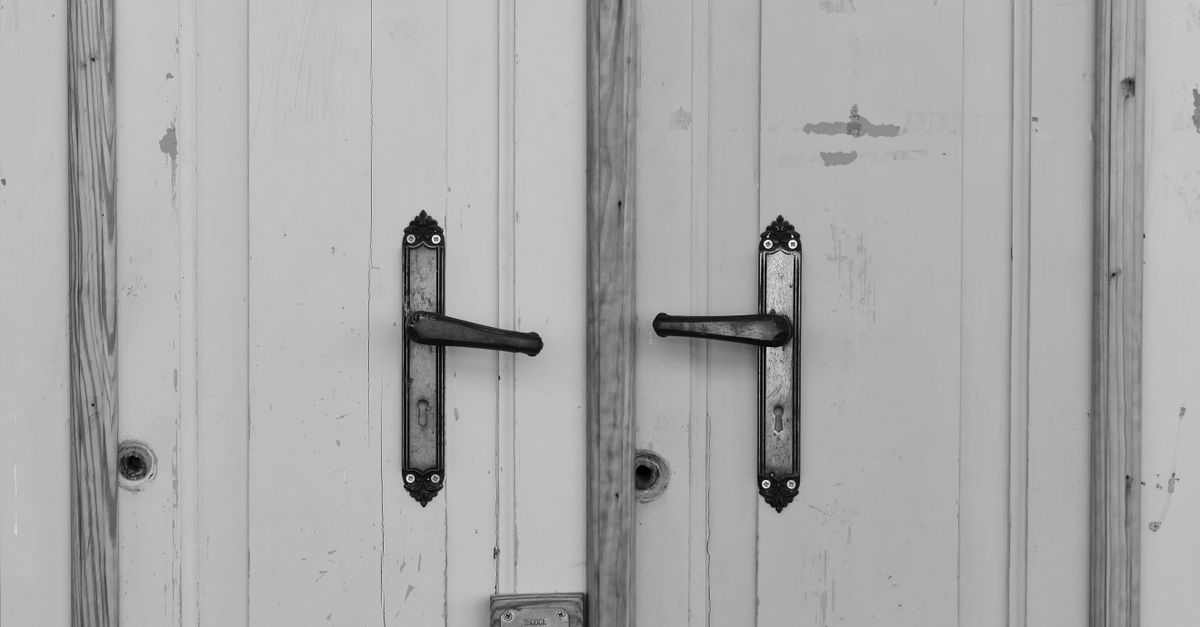
If you have a mortise lock on your front door, you already know it is built differently from a standard knob-and-deadbolt setup — it sits inside a deep pocket cut into the door edge, houses multiple locking components in a single case, and tends to be the hardware of choice on older colonial and craftsman-style homes throughout the Brentwood area. That built-in complexity is exactly what makes it so secure. But it is also what makes a failing mortise lock trickier to diagnose than a simple deadbolt that just will not turn.
The trouble is, most homeowners do not notice a problem until they are standing at the door, key in hand, going nowhere. Before it reaches that point, your lock will usually give you a handful of warnings — stiffness, grinding, wobble, or a latch that does not quite catch. Knowing what those signals mean, and when to call a professional locksmith rather than push through them, can save you from a broken key, a door that will not latch, or a security gap you did not know you had. Here are five signs that your mortise lock needs attention, along with honest guidance on what each one means for your home.
## Sign 1: The Key Sticks, Binds, or Requires Real Force to Turn
A mortise lock cylinder that suddenly demands muscle to operate is one of the earliest red flags. In many cases the cause is internal — worn tumblers, a corroded plug, or years of grime built up inside the keyway. On Long Island, the combination of salt air and humid summers accelerates that kind of wear, and a lock that felt smooth in spring can feel stiff by fall. Sometimes the issue is structural: the door frame has shifted slightly, putting lateral pressure on the bolt and making the cylinder work against resistance it was never designed to handle. Either way, forcing the key is a mistake. The torque required to muscle a binding cylinder is often enough to snap the key off inside the lock, and at that point you have traded a stiff lock for a full extraction job.
If the sticking is mild and recent, a locksmith can often clean and re-lubricate the cylinder on the spot, buying you more life from the existing hardware. If the binding is severe or has been building for months, the mortise lock cylinder itself may need to be re-keyed, rebuilt, or swapped out entirely. A trained locksmith can pull the cylinder, inspect the internals, and tell you honestly which path makes sense — without guesswork or unnecessary upsells.
## Sign 2: The Lock Case Feels Loose or the Trim Wobbles
A mortise lock set is held in position by a combination of the lock case seated inside the door pocket, trim screws on the face plate, and the knob or lever roses on either side of the door. When any of those connection points loosen — through everyday use, vibration from a slamming door, or wood that has dried and contracted over time — you will feel it as wobble in the handle, visible gap around the trim plate, or a case that shifts when you push the lever. Some homeowners in older Brentwood neighborhoods notice this in Victorian or craftsman doors where the mortise pocket was cut decades ago and the surrounding wood has softened over time.
Wobble is not just an annoyance. A loose lock case can allow the bolt or latch to sit misaligned in the strike plate, meaning the door may feel closed without actually being secured. If the exterior trim is loose enough to rotate, it can also expose the internal mechanism to tampering. A professional locksmith will check whether the issue is limited to the trim hardware or whether the case itself has shifted inside the pocket, then tighten, shim, or replace components as needed to restore a solid, secure fit.
## Sign 3: You Hear Grinding, Clicking, or Scraping When Operating the Lock
Normal mortise locks operate with a smooth, quiet action. Grinding or scraping sounds when you turn the key or depress the lever are a sign that metal components inside the case are contacting each other in ways they should not. Common culprits include a worn cam that drives the bolt, a bent or fatigued latch spring, a deadbolt that is dragging on the strike box, or debris that has worked its way into the case. On a high-quality mortise lock set designed for an exterior door — whether it is a Baldwin mortise lock on a front entry or a Corbin Russwin mortise lock on a commercial-grade door — internal components are precision-fitted, and metal-on-metal grinding means that fit has been compromised.
Left alone, grinding is almost always progressive. What starts as an occasional scrape becomes a daily grind, then a latch that sticks mid-throw, then a bolt that will not fully extend. If you are hearing these sounds, the window to address it with a repair rather than a full replacement is narrowing. Call a locksmith for an inspection before the mechanism fails completely — especially if the door in question is your primary entry point. We are available around the clock, so if the grinding turns into a lock that will not operate at all, you can reach us at (631) 956-4647 any time of day or night.
## Sign 4: The Latch or Bolt Does Not Fully Extend — or Will Not Retract
A mortise lock that does not throw its bolt all the way into the strike plate offers almost no real security, even if it appears closed. Conversely, a bolt that extends but refuses to retract is its own emergency — you may end up locked out of your own home or unable to open the door from inside. Both scenarios usually trace back to one of three sources: a worn or broken internal spring, a misaligned strike plate that catches the bolt mid-travel, or a lock case that has shifted enough inside the door to put the bolt on a slightly different path than the strike box expects.
Strike plate misalignment is especially common after a door has been repainted or re-hung, or after the door frame swells during a wet Long Island winter. In those cases a qualified locksmith may be able to solve the problem by repositioning the strike plate alone. But if the fault is internal — a snapped spring or a worn bolt mechanism — the case will likely need to come out for service or replacement. This is also the moment to consider whether the existing hardware is worth repairing or whether upgrading to a current mortise lock set exterior door unit, including an option with smart mortise lock functionality for keypad or app-based entry, makes more practical sense for your home.
## Sign 5: The Lock Has Visible Damage, Rust, or Shows Signs of Tampering
Physical damage to a mortise lock is the clearest call to action of the five signs. Deep scratches around the keyway, a bent face plate, rust blooming on the bolt or case, or marks consistent with someone attempting to force the lock open all signal that the hardware can no longer be fully trusted. Rust is particularly insidious on exterior door hardware — it works its way into the internal springs and tumblers gradually, causing failure that seems sudden but has actually been building for months. If you live near Brentwood's western edge closer to the Great South Bay, the salt-air exposure is measurably higher, and exterior lock hardware tends to degrade faster than it would just a few miles inland.
Tampering marks deserve an immediate response. If there is any evidence that someone has tried to force, pick, or pry your lock, the right move is to call a locksmith right away — even if the lock still seems to function. A damaged mortise lock cylinder that appears operational may no longer resist the specific attack method that was used against it. Our experienced locksmiths serve Brentwood and the surrounding communities 24 hours a day. Whether it is a routine lock replacement or an urgent after-hours call, we will assess the damage, walk you through your options, and confirm an exact price before any work begins. Factors that shape the final quote include the type and brand of lock being installed, whether parts need to be sourced, the time of day, and travel distance — no surprises at the end of the job. Call us at (631) 956-4647 and we will get someone to your door.
## What Common Reasons to Call a Locksmith Look Like in Real Life — And How We Can Help
People call a locksmith for a wider range of reasons than most homeowners expect. Beyond a classic lockout, common reasons to call a locksmith include rekeying after a move or a lost key, repairing a door knob lock that has become loose or stopped latching, upgrading to a higher-security cylinder, installing a smart mortise lock on a front entry, cutting duplicate keys, and assessing a door frame for signs of forced entry. On the commercial side, commercial locksmith work often involves master key systems, panic hardware, and high-cycle mortise lock sets that see heavy daily use in offices, retail spaces, and multi-unit buildings throughout the Brentwood area.
Drivers are not left out either — a locked car with keys inside, a key fob that has stopped communicating with the vehicle, or a transponder key that needs to be programmed are all standard mobile locksmith calls. If you have ever wondered whether a locksmith can program a key fob, the answer is yes — for most makes and models our team can handle programming on-site without a dealership visit. Whatever brought you to this page, the team at Brentwood Locksmith NY is trained, insured, and ready to respond. Our 25 core services include: residential lockout assistance, commercial lockout response, automotive lockout service, mortise lock repair, mortise lock replacement, mortise lock cylinder re-keying, deadbolt installation, door knob lock repair, smart lock installation and programming, master key system setup, high-security lock upgrades, lock rekeying after a move, broken key extraction, door frame and strike plate repair, gate lock installation, mailbox lock replacement, safe opening and combination changes, transponder key cutting and programming, key fob programming, car key duplication, ignition lock repair, sliding door lock service, padlock and chain cutting for property owners, lock hardware consultation and recommendations, and emergency after-hours locksmith response for residential, commercial, and automotive needs.
## A Note on Pricing: What Goes Into a Fair Quote for Mortise Lock Work
Homeowners often want a ballpark before a technician arrives, and that is a completely reasonable question. While we confirm an exact up-front price before touching anything, it is worth understanding what drives the final number so you can evaluate any quote with confidence. For mortise lock repair or replacement, the main factors are the brand and grade of lock involved — servicing a standard residential unit is a different scope than working on a Corbin Russwin mortise lock in a commercial-grade door, or a Baldwin mortise lock on a high-end residential entry. Parts availability matters too: if a specific lock case or cylinder needs to be sourced, that affects both time and cost. Time of day is another variable — after-hours emergency calls involve different logistics than a scheduled daytime appointment. Finally, travel distance to your address in or around Brentwood plays a role in the overall quote.
What you will never get from us is a bait-and-switch price or a bill that looks nothing like the number we discussed at the door. We tell you the exact cost before any work starts, and we stand behind that figure. If you are wondering what is the average cost of hiring a locksmith in New York City or the surrounding Long Island area more broadly, the honest answer is that it varies significantly based on the factors above — which is precisely why a direct, on-site assessment beats any generic number you might read online. Call (631) 956-4647 to get a straight answer about your specific situation.
## Brentwood Locksmith NY — Available 24/7 When Your Lock Cannot Wait
Whether your mortise lock started grinding at noon or your key snapped inside the cylinder at midnight, the response from our team is the same: a trained, experienced locksmith dispatched to your location as quickly as possible. We serve Brentwood and the surrounding communities across Suffolk County — from the neighborhoods around Brentwood Road and Crooked Hill Road to addresses further out in the area. If you have been asking yourself how much does a local locksmith charge, or how much should an emergency locksmith cost, the most useful thing we can offer is a direct conversation rather than a guess. Reach out, describe what you are seeing with your lock, and we will give you honest guidance and a clear price before we begin. Call (631) 956-4647 — we answer 24 hours a day, seven days a week.
Frequently asked questions
What is a mortise lock and how is it different from a standard deadbolt?+
A mortise lock is a complete locking mechanism — including a latch, deadbolt, and often a key cylinder — housed inside a single metal case that is set into a pocket (or 'mortise') cut into the edge of the door. Unlike a surface-mounted deadbolt that attaches to the door face with a few screws, a mortise lock is fully recessed, which makes it more resistant to kick-in attacks and generally more durable under heavy use. It is the hardware you will commonly find on older homes, high-end residential entries, and commercial doors throughout Brentwood and the wider Long Island area.
What are common reasons to call a locksmith for a mortise lock specifically?+
The most frequent mortise lock calls we receive involve keys that stick or bind in the cylinder, bolts that will not fully extend or retract, grinding or clicking sounds during operation, loose or wobbling trim hardware, and visible rust or damage to the lock case. We also get calls from homeowners who want to upgrade an aging mortise lock set on an exterior door to a current model — including smart mortise lock options — after a move or a security concern. Any of these situations is a legitimate reason to bring in a professional rather than forcing the issue and risking further damage.
Can a locksmith program my key fob, or do I have to go to a dealership?+
For the majority of makes and models, yes — a qualified mobile locksmith can program a key fob on-site at your home or wherever your vehicle is located. This applies to standard remote fobs as well as transponder keys that communicate with the vehicle's immobilizer system. Dealerships are not the only option, and a mobile locksmith visit is often more convenient since we come to you. If you are unsure whether your specific vehicle is supported, call us at (631) 956-4647 and we can confirm before you book.
How much does an emergency locksmith cost for after-hours mortise lock repair?+
The honest answer is that the final price depends on several factors: the type and brand of lock involved, whether replacement parts are needed, the time of day the call comes in, and the travel distance to your location. A straightforward cylinder re-key during daytime hours involves different logistics than sourcing a specific mortise lock case at 2 a.m. What we can promise is that we confirm an exact price before any work begins — there are no hidden fees or figures that change once the job is done. Call (631) 956-4647 and describe your situation; we will give you a clear, honest quote on the spot.